

Your irrigation system is sputtering, leaking, or leaving brown patches across your lawn—and you’re facing a critical decision: invest in repairs or bite the bullet on complete replacement? For College Station – Bryan, TX homeowners, this choice significantly impacts both immediate costs and long-term landscape health.
The right answer depends on system age, damage extent, water efficiency, and your property’s current landscaping needs. Here’s what Dickerson Landscaping has learned helping property owners throughout Texas make informed decisions about irrigation repair versus replacement.
System Age and Expected Lifespan
Irrigation system age provides the first clue about whether repair or replacement makes financial sense.
Age-based decision guidelines:
Systems under 10 years old with isolated problems typically warrant repair. Modern components should last 10-15 years with proper maintenance, making repairs cost-effective for newer installations.
Systems 10-15 years old require careful evaluation. Multiple repair needs might indicate broader deterioration suggesting replacement soon regardless of current fixes.
Systems over 15 years old often cost more to maintain than replace, especially when considering water waste from inefficient older technology.
Sprinkler heads last 5-10 years, valves 10-15 years, and controllers 10-20 years depending on quality and conditions. When multiple components near end-of-life simultaneously, replacement becomes more economical than sequential repairs.
For College Station properties with unknown system age, professional inspection determines component conditions guiding repair versus replacement recommendations.
Extent and Cost of Needed Repairs
The scope of required repairs dramatically affects the repair-versus-replace equation.
Repair cost thresholds:
Minor repairs costing under $300—broken sprinkler heads, single valve replacements, or controller adjustments—almost always make sense regardless of system age.
Moderate repairs in the $300-$800 range require evaluation. If the system is relatively young and this addresses all problems, repair works. For older systems, these costs approach replacement down payments.
Major repairs exceeding $1,000—main line breaks, multiple zone failures, or extensive component replacement—often justify considering full replacement, especially on aging systems.
The 50% rule helps decision-making: if repairs cost more than 50% of replacement expense, replacement usually delivers better long-term value.
Professional irrigation specialists throughout the Brazos Valley provide honest assessments of repair costs versus replacement benefits, helping homeowners avoid throwing good money after bad.
Water Efficiency and Technology Improvements
Older irrigation systems waste significant water through outdated technology—a hidden cost making replacement attractive even when repairs would work.
Efficiency considerations:
Smart controllers in modern systems adjust watering based on weather, soil moisture, and plant needs—reducing water use 20-50% compared to basic timers in older systems.
Pressure-regulated spray heads in newer systems deliver uniform coverage using less water than older fixed-spray technology.
Drip irrigation zones for beds and xeriscaping areas use 30-50% less water than spray systems, making conversion economically attractive.
Rain and freeze sensors prevent unnecessary watering, features often absent in systems over 10 years old.
For Bryan properties where summer water bills spike dramatically, efficiency gains from replacement can pay for upgrades within 3-5 years through reduced utility costs.
Coverage Gaps and Landscape Changes
Irrigation systems designed for previous landscape design may no longer serve current needs well.
Coverage match evaluation:
Landscape redesign including new patio installation, expanded hardscapes, or changed planting beds often requires irrigation reconfiguration beyond simple repairs.
New sod installation or lawn expansion needs different coverage than what original systems provided.
Tree landscaping maturation changes shade patterns and water needs throughout properties, requiring zone adjustments.
Xeriscaping conversions replacing water-hungry lawns with drought-tolerant plantings need different irrigation approaches than existing systems provide.
When current systems don’t match landscape reality, replacement with properly designed coverage makes more sense than forcing old configurations to serve new needs throughout the region.
Recurring Repair Patterns
Frequent irrigation problems indicate systemic issues suggesting replacement rather than continued repair cycles.
Red flags indicating replacement:
Monthly repair calls addressing different problems show overall system deterioration rather than isolated component failures.
Same zone repeatedly failing despite repairs suggests underlying issues—poor design, improper installation, or damage from grading or tree roots.
Widespread sprinkler head failures across multiple zones indicate pressure problems, aging infrastructure, or water quality issues affecting the entire system.
Controller malfunctions requiring frequent replacement suggest electrical problems or surge damage potentially affecting other components.
Dickerson Landscaping helps homeowners recognize when repair patterns indicate replacement timing, preventing endless repair expenses on dying systems.
Professional Assessment Value
The repair-versus-replace decision shouldn’t rely on guesswork—professional evaluation provides the data making smart choices possible.
Comprehensive system inspection reveals:
Component condition of valves, pipes, wiring, and controls throughout all zones identifying current and imminent failures.
Coverage analysis showing whether existing design adequately waters current landscaping or leaves gaps and overlaps wasting water.
Pressure testing verifying adequate water flow and pressure for efficient operation or revealing problems requiring expensive solutions.
Efficiency measurements quantifying water waste from outdated technology helping calculate replacement ROI through reduced water bills.
Repair cost estimates versus replacement quotes allowing direct comparison of options with accurate numbers.
Professional sprinkler & irrigation systems specialists provide this analysis, often for nominal fees credited toward any work performed.
DIY Repairs vs. Professional Replacement
Some homeowners handle minor irrigation repairs themselves while leaving replacement to professionals.
DIY appropriate for:
- Single sprinkler head replacement
- Basic controller programming
- Simple timer adjustments
- Obvious leak identification
Professional expertise needed for:
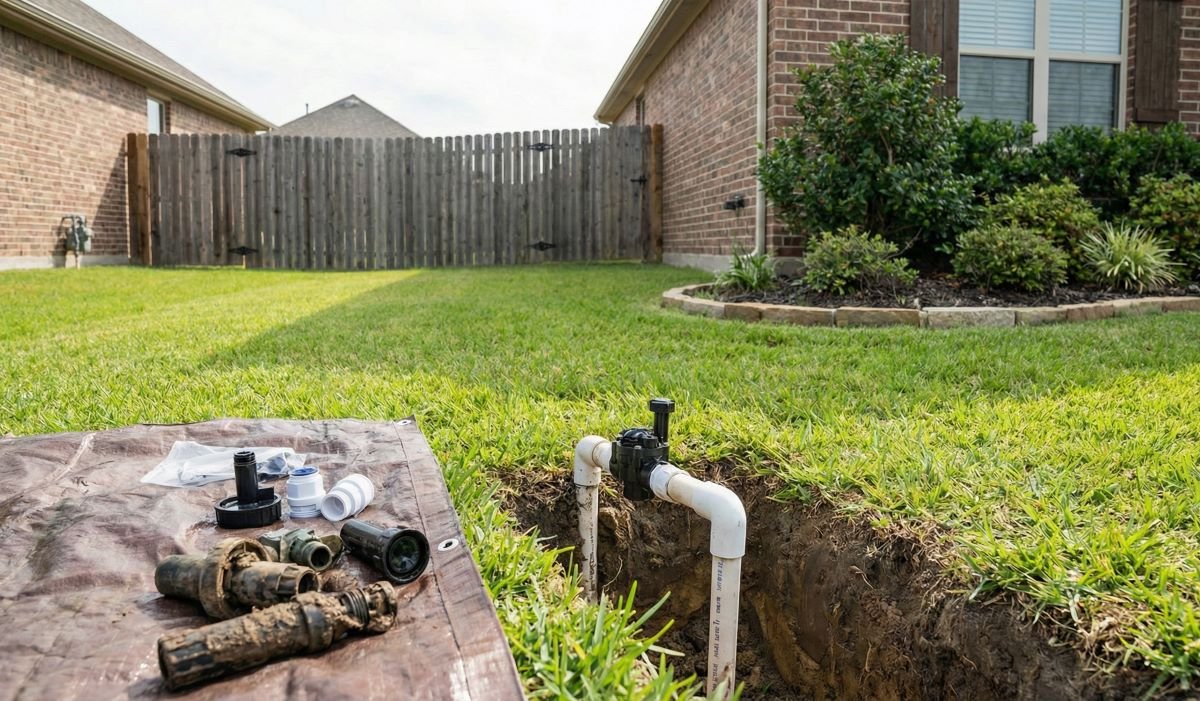
- Main line repairs requiring excavation
- Valve replacement and troubleshooting
- Complete system design and installation
- Grading coordination during replacement
- Integration with landscape design & installation projects
Attempting DIY replacement often creates problems requiring professional correction, negating any savings while causing plant damage during extended installation periods.
Making Your Irrigation Decision
Irrigation system decisions affect landscape health, water costs, and property enjoyment for years—making informed choices crucial.
Consider system age, repair costs relative to replacement, efficiency improvements available, landscape compatibility, and recurring problem patterns. Professional assessment provides the information making confident decisions possible.
Whether repairing targeted issues or replacing entire systems, quality sprinkler & irrigation work protects your landscaping investments while managing water use efficiently.
Dickerson Landscaping, LLC provides complete irrigation services throughout Bryan, College Station, and the Brazos Valley—from repair diagnosis to full system replacement. Our expertise ensures you invest wisely in solutions matching your property’s needs.
Facing irrigation decisions? Call (979) 282-3469 for professional assessment helping you choose between repair and replacement based on your specific situation.